
White Label SOC Implementation Checklist: 30-Day Launch Plan for MSPs

In a world where cyber threats evolve faster than ever, Managed Service Providers (MSPs) must enhance their service portfolios with white label Security Operations Center (SOC) solutions. For MSPs, implementing an AI-powered white label SOC is not just about technology — it’s about strategy, execution, and market readiness.

This detailed 30-day implementation checklist provides a step-by-step roadmap to launch your white label SOC efficiently, minimize risks, and achieve full operational readiness under your brand.

What Is a White Label SOC for MSPs?

A white label SOC allows MSPs to offer 24/7 threat detection, monitoring, and response to clients under their own brand — without building infrastructure or hiring large security teams. It’s a fully managed SOC-as-a-Service (SOCaaS) delivered by a specialized cybersecurity partner but branded as your own service.

By implementing it strategically, MSPs can expand their cybersecurity offerings, increase recurring revenue, and gain competitive advantage in a saturated market.

Why a 30-Day Implementation Plan Matters

Launching a white label SOC can seem complex — involving integration, automation, branding, client onboarding, and process alignment.
A structured 30-day plan breaks this into manageable steps, ensuring you go from concept to live operations without delays or disruptions.

30-Day White Label SOC Implementation Checklist for MSPs
Week 1: Assessment & Planning

1.Define Your SOC Objectives

Identify your core goals — whether it’s enhancing client security, expanding service offerings, or building a recurring revenue model.

Determine your target client base — SMBs, enterprise clients, or MSP sub-partners.

2.Assess Your Current Infrastructure

List existing security tools: SIEM, firewalls, endpoint security, ticketing systems, etc.

Identify integration points with your SOC provider’s platform.

Review current data flow, alert handling, and response capabilities.

3.Choose a White Label SOC Partner

Evaluate potential SOC vendors based on:

  • AI and automation capabilities
  • Compliance (SOC 2, ISO 27001, GDPR, HIPAA)
  • Brand customization features
  • Integration support (Microsoft 365, AWS, Azure, Google Cloud)
  • Transparent pricing and SLAs

Select the provider that aligns best with your MSP goals and client expectations.

4.Develop a Branding Strategy

Customize the SOC dashboard, reports, and alerts with your MSP’s logo, domain, and brand colors.

Prepare branded marketing materials, brochures, and landing pages to announce your new cybersecurity offering.

Week 2: Integration & Configuration

5.Technical Environment Setup

  • Connect your existing infrastructure monitoring tools and SIEM platforms with the SOC backend.
  • Ensure secure data transfer using encrypted APIs or VPN tunnels.
  • Configure user access roles for SOC administrators, analysts, and MSP technicians.

6.AI and Automation Configuration

Enable machine learning models for threat detection and behavior analytics.

Create automation playbooks for incident triage, alert escalation, and response.

Integrate your SOC with SOAR platforms (Security Orchestration, Automation, and Response).

7.Test Security Integrations

  • Validate log ingestion from endpoints, firewalls, and servers.
  • Run test incidents to verify detection, alert generation, and automated response accuracy.
  • Adjust alert thresholds and correlation rules to reduce false positives.

8.Compliance and Policy Alignment

  • Ensure your SOC setup adheres to GDPR, HIPAA, NIST, and ISO standards.
  • Document internal and client-side data handling procedures.
  • Establish incident escalation matrices and SLAs.

Week 3: Training & Pilot Testing

9.Internal Staff Training

Conduct role-based training for:

  • L1/L2 SOC Analysts on alert management
  • MSP Account Managers on service delivery
  • Sales Teams on value propositions
  • Provide access to SOC dashboards and incident reports for hands-on practice.

10.Develop Client-Facing SOPs

  • Define workflows for incident reporting, escalation, and resolution.
  • Draft templates for monthly security reports and incident summaries.
  • Align communication processes between the SOC and client teams.

11.Run a Pilot Program

  • Select 1–2 existing clients for the pilot launch.
  • Monitor system performance, detection accuracy, and report clarity.
  • Gather client feedback and refine processes before full-scale deployment.

12.Refine Incident Response Plans

  • Establish automated and manual response steps for critical attack types (e.g., phishing, ransomware, insider threats).
  • Align SOC escalation with client SLAs and communication preferences.

Week 4: Launch & Optimization

13.Finalize SOC Operations

  • Ensure 24/7 monitoring, alerting, and escalation workflows are live.
  • Double-check redundancy, failover systems, and backup protocols.
  • Verify all branding and dashboards are client-ready.

14.Launch Marketing and Client Communication

Announce your new SOC-as-a-Service offering via:

  • Website updates
  • Email campaigns
  • LinkedIn and press releases
  • Highlight AI-powered detection, automation, and 24/7 coverage as your USP.

15.Onboard Clients

  • Schedule onboarding sessions to walk clients through SOC features, dashboards, and reporting tools.
  • Create a welcome kit with service details, escalation contacts, and FAQs.

16.Monitor Performance Metrics

Track key KPIs to measure success:

  • Mean Time to Detect (MTTD)
  • Mean Time to Respond (MTTR)
  • False Positive Rate
  • Client Satisfaction Scores (CSAT/NPS)
  • Use AI-driven analytics to continuously improve SOC efficiency and accuracy.

17.Continuous Optimization

  • Schedule bi-weekly performance reviews with your SOC partner.
  • Update automation playbooks and machine learning models based on real-world incident data.
  • Regularly train your internal team on emerging threats and new SOC capabilities.
  • Bonus: Post-Launch Maintenance and Growth Plan
  • After your initial 30 days, focus on scaling and optimization:
  • Expand client onboarding through dedicated SOC marketing campaigns.
  • Integrate more tools (EDR, MDR, XDR, cloud monitoring).
  • Enhance reporting with data visualization and predictive threat intelligence.
  • Upsell managed detection and response (MDR) for high-end clients.
  • Conduct quarterly SOC reviews with your provider for performance insights.

30-Day White Label SOC Launch Timeline (Summary)

PhaseKey ActionsDuration
Week 1Goal setting, partner selection, branding7 days
Week 2Integration, automation setup, compliance7 days
Week 3Training, pilot testing, SOP development7 days
Week 4Full launch, client onboarding, optimization7 days

By following this 30-day implementation checklist, MSPs can successfully deploy a white label SOC that combines AI-driven threat detection, scalable automation, and brand-ready visibility. The result? A powerful new revenue stream, stronger client relationships, and the ability to deliver enterprise-grade cybersecurity without building from scratch.

As cyber threats evolve, MSPs equipped with AI-powered white label SOCs will lead the next era of intelligent managed security — setting a new benchmark in threat detection and response excellence.
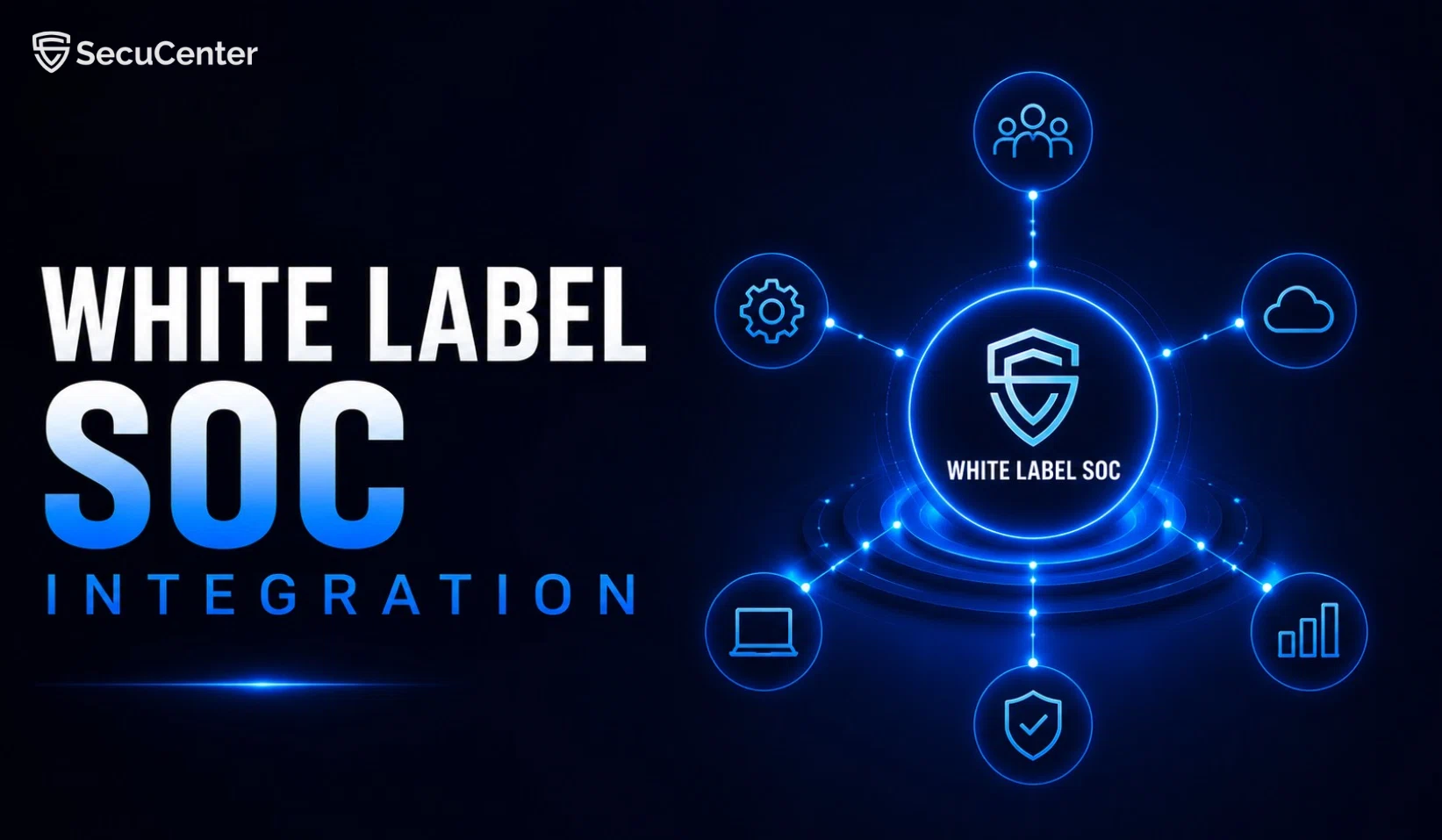
White Label SOC Integration: Step-by-Step Implementation Guide for MSPs

In today’s evolving cybersecurity landscape, Managed Service Providers (MSPs) face increasing pressure to offer robust security solutions without the massive overhead of building their own Security Operations Center (SOC). The answer lies in White Label SOC integration—a turnkey approach that empowers MSPs to deliver enterprise-grade cybersecurity under their own brand while leveraging a trusted SOC partner’s infrastructure, expertise, and tools.

This comprehensive guide provides a step-by-step roadmap for MSPs integrating a White Label SOC, from planning and vendor selection to deployment and optimization.

What Is a White Label SOC?

A White Label SOC (Security Operations Center) is a managed cybersecurity service operated by a third-party provider but branded and delivered by an MSP as their own. It enables MSPs to offer 24/7 threat detection, incident response, and monitoring without investing in the cost, technology stack, or personnel required to run a full-fledged SOC.

By integrating a White Label SOC, MSPs gain access to advanced SIEM (Security Information and Event Management) tools, threat intelligence platforms, and security analysts while maintaining complete control over customer experience and communication.

Why MSPs Need White Label SOC Integration ?

Cyberattacks on SMBs have surged, and clients now expect their MSPs to provide proactive cybersecurity protection.

Why MSPs Need WhiteLabel SOC Integration

However, setting up an in-house SOC requires millions in investment, constant staffing, and advanced tooling.

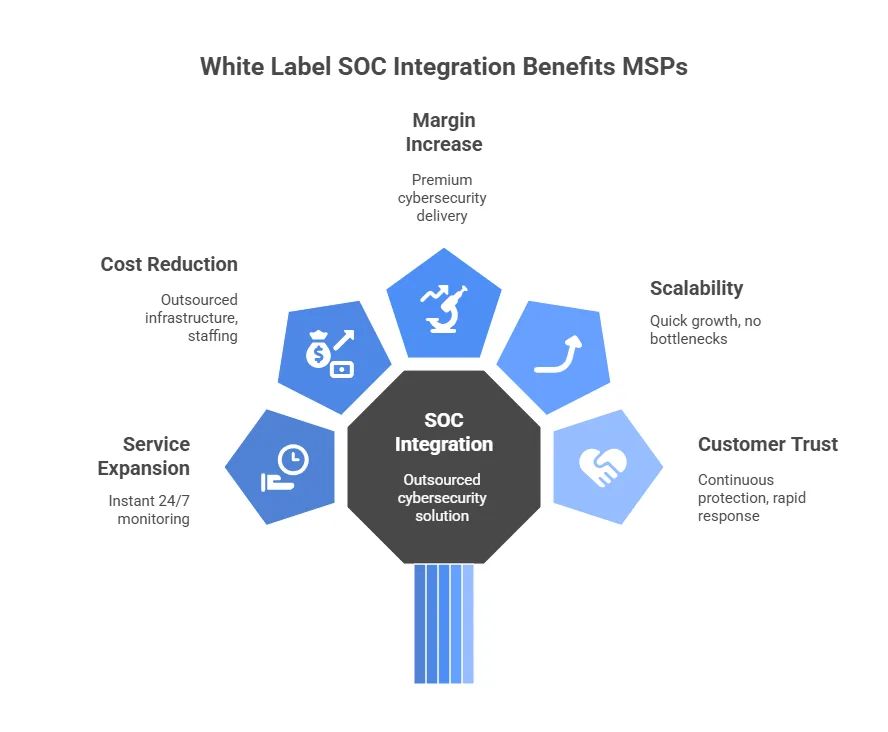
A White Label SOC integration helps MSPs to:

  • Expand service portfolios instantly with 24/7 monitoring.
  • Reduce costs by outsourcing infrastructure and staffing.
  • Increase margins by delivering premium cybersecurity under their own brand.
  • Scale quickly without operational bottlenecks.
  • Enhance customer trust through continuous protection and rapid response.

Step 1: Assess Your Business Needs and Readiness

Before integrating a White Label SOC, an MSP must conduct a comprehensive readiness assessment. Determine:

  • Which security services you plan to offer (SIEM monitoring, incident response, vulnerability management, etc.).
  • What your current capabilities are in terms of personnel and technology.
  • The target industries or compliance requirements (e.g., HIPAA, GDPR, PCI DSS) of your clients.
  • Your desired level of integration and control—from co-managed SOC to fully outsourced.
  • This assessment clarifies scope, defines KPIs, and sets the foundation for a seamless SOC integration strategy.

Step 2: Select the Right White Label SOC Partner

Choosing the right partner is the most critical step in the process. The ideal White Label SOC provider should align with your business model, client needs, and scalability goals.

When evaluating providers, consider:

  • Proven SOC expertise in your target market.
  • 24/7 monitoring capabilities across time zones.
  • Technology stack compatibility, including SIEM, EDR, MDR, and SOAR tools.
  • Transparency and reporting models—the ability to deliver branded dashboards and reports.
  • Flexible engagement models (per device, per endpoint, or per customer).
  • Compliance certifications (ISO 27001, SOC 2 Type II, GDPR-ready).

Look for a partner that emphasizes collaboration, scalability, and brand invisibility, allowing you to present the service entirely as your own.

Step 3: Define Service Scope and Integration Framework

Once the SOC partner is selected, define the service framework. This involves mapping out roles, responsibilities, and deliverables for both parties.

Key areas to define include:

  • Scope of coverage: What assets, networks, and endpoints are monitored.
  • Incident escalation protocols: Who responds first, and how alerts are handled.
  • Communication workflows: How tickets and reports are managed.
  • Data ownership and privacy: Ensure full data transparency and compliance with client regulations.
  • SLAs and performance metrics: Establish clear KPIs for uptime, response times, and detection accuracy.

A structured framework ensures smooth collaboration and minimizes ambiguity throughout the engagement.

Step 4: Technical Integration and Platform Configuration

With service definitions in place, begin technical integration. This is where the White Label SOC connects seamlessly with your MSP’s existing systems and processes.

Typical integration tasks include:

  • Connecting SIEM systems for log collection and event correlation.
  • Deploying sensors or agents on client networks for endpoint monitoring.
  • Integrating ticketing systems (like ConnectWise, Autotask, or ServiceNow) to automate workflows.
  • Setting up dashboards and reporting under your brand.
  • Testing alert mechanisms and escalation processes to ensure accuracy.

A well-executed integration results in real-time visibility, automated detection, and synchronized incident response—essential for efficient SOC operations.

Step 5: Branding and White Label Customization

White Label SOC services are only as valuable as the perception of ownership you create for your clients. Customize the SOC deliverables to reflect your MSP’s branding.

Implement:

  • Branded reporting templates and dashboards.
  • Custom email domains for alerts and communications.
  • Co-branded portals where clients can view incident summaries and threat reports.
  • Consistent tone and messaging across all SOC communications.

This approach strengthens customer loyalty while reinforcing your brand’s authority as a trusted cybersecurity partner.

Step 6: Onboarding Clients to the New SOC Service

After technical setup, focus on smooth client onboarding. Create a detailed onboarding plan covering:

  • Initial environment assessments and risk mapping.
  • Deployment of monitoring tools and endpoint sensors.
  • Defining escalation procedures and communication hierarchies.
  • Educating clients on SOC capabilities and value propositions.

A well-structured onboarding process ensures that every client experiences immediate value, reducing churn and maximizing satisfaction.

Step 7: Continuous Optimization and Reporting

SOC integration is not a one-time event—it’s an ongoing partnership. Regular optimization is essential to maintain performance, detect evolving threats, and improve client outcomes.

Focus on:

  • Weekly and monthly reporting with actionable insights.
  • Threat intelligence updates to enhance detection accuracy.
  • Performance reviews with the SOC provider to refine workflows.
  • Proactive tuning of SIEM rules and detection logic.

By maintaining a feedback loop, MSPs can continuously elevate service quality, reduce false positives, and strengthen client trust.

Step 8: Scaling and Expanding Services

Once the foundation is strong, leverage your White Label SOC to expand service offerings and boost profitability.

Consider adding:

  • Advanced threat hunting and forensic analysis.
  • Compliance management and audit-ready reports.
  • Managed detection and response (MDR) capabilities.
  • Cloud security monitoring for hybrid environments.

This layered approach transforms your MSP from a traditional IT provider into a fully managed cybersecurity partner, unlocking higher margins and long-term client retention.

Benefits of White Label SOC Integration for MSPs

By implementing a White Label SOC, MSPs gain:

  • Instant access to enterprise-grade cybersecurity infrastructure.
  • Faster time-to-market for new security services.
  • Reduced operational burden and improved efficiency.
  • Enhanced client retention through proactive threat mitigation.
  • Greater profitability and scalability with minimal capital investment.

With the right SOC partner, MSPs can confidently expand into cybersecurity without compromising on quality or control.

Integrating a White Label SOC is one of the most strategic moves an MSP can make to future-proof its business. With the right partner, clear framework, and structured implementation, MSPs can deliver 24/7 cybersecurity protection, increase client trust, and scale operations profitably—all under their own brand.

In a world where cyber threats evolve by the minute, the value of continuous protection cannot be overstated. A well-integrated White Label SOC isn’t just an operational enhancement—it’s a competitive advantage.

In-House SOC vs. White Label SOC: What’s Right for Your MSP?

In today’s cyber landscape, Managed Service Providers (MSPs) face constant pressure to deliver advanced security solutions. The decision between building an in-house Security Operations Center (SOC) and partnering with a White Label SOC provider can define an MSP’s success. Both models offer unique benefits and challenges. Let’s explore which is right for your business.

Understanding the In-House SOC Model

An in-house SOC means managing your own security infrastructure, team, and technology. MSPs that choose this route maintain full control over data and operations. They design and manage every process, from threat detection to incident response.

However, running an internal SOC requires significant investment. You’ll need to hire skilled analysts, maintain tools, and ensure continuous monitoring. It offers autonomy but demands heavy resources and time.

Advantages of an In-House SOC

Building an internal SOC has its strengths. The most notable advantage is direct control. You oversee every aspect of monitoring, detection, and reporting. This visibility ensures high customization aligned with client needs.

Another benefit is data ownership. Sensitive client information stays within your environment. It builds trust, especially for clients in regulated sectors like healthcare or finance.

Lastly, team integration is seamless. Your analysts can easily collaborate with IT departments to streamline responses.

Disadvantages of an In-House SOC

Despite the control, in-house SOCs are expensive. Establishing one requires substantial capital expenditure for infrastructure, tools, and staffing. Ongoing maintenance adds further cost pressure.

The global cybersecurity talent shortage is another challenge. Hiring and retaining skilled analysts is tough and time-consuming. Training them to match the evolving threat landscape requires continuous investment.

Also, scalability becomes complex. As your client base grows, you’ll need to expand staff and resources, leading to higher overhead and slower growth.

Understanding the White Label SOC Model

A White Label SOC is a fully managed, outsourced cybersecurity service that operates under your brand. The provider handles monitoring, detection, and response on your behalf, while you deliver these services to clients as your own.

This model helps MSPs offer 24/7 security coverage without building or managing a SOC internally. It combines advanced tools, certified analysts, and proven processes — all branded as your service.

Also read: What Is a White Label SOC?

Advantages of a White Label SOC

The most obvious benefit is cost efficiency. You avoid the massive expenses of building and staffing a SOC. Instead, you pay for what you use, making it ideal for scaling.

Speed to market is another key advantage. You can launch advanced SOC services quickly without waiting months to build infrastructure. This helps you attract more clients faster.

A White Label SOC also gives access to certified security experts who continuously monitor networks. They bring global experience and use enterprise-grade tools that most MSPs can’t afford independently.

Additionally, this model supports scalability and flexibility. Whether you manage five clients or fifty, the SOC adjusts resources as needed — ensuring consistent performance.

Disadvantages of a White Label SOC

The main drawback is reduced direct control. Since operations are outsourced, some decisions depend on the provider’s processes. Clear SLAs and communication are vital to overcome this.

You may also face branding limitations if the provider’s tools or reports are not fully customizable. However, reputable partners usually offer full white-label capabilities to maintain your brand identity.

Key Differences Between In-House and White Label SOCs

FeatureIn-House SOCWhite Label SOC
Setup CostVery HighLow
Time to DeployMonthsFew Weeks
ScalabilityLimitedHighly Scalable
ExpertiseRequires HiringProvided by Partner
Brand ControlCompleteShared/Customizable
24/7 CoverageExpensive to MaintainBuilt-In
Compliance SupportManual EffortIncluded in Service

The right choice depends on your business model, budget, and long-term goals.

Also read: Benefits of Partnering with a White Label SOC Provider

Which SOC Model Is Right for Your MSP?

If your MSP has large capital reserves, an experienced security team, and wants full operational control, an in-house SOC might suit you. It’s ideal for enterprises handling sensitive or government data.

However, if your priority is speed, cost-efficiency, and scalability, partnering with a White Label SOC provider is the smarter choice. It lets you deliver world-class cybersecurity under your brand while focusing on growth and customer relationships.

Final Thoughts

The future of MSP cybersecurity lies in collaboration and agility. A White Label SOC offers both, helping you scale rapidly without sacrificing quality or profitability.

While an in-house SOC offers autonomy, it’s resource-heavy and time-consuming. A White Label SOC, on the other hand, empowers MSPs to provide enterprise-grade protection instantly, enhance client trust, and strengthen market position.

Choosing the right model depends on your vision — control or convenience, ownership or optimization. The best strategy is the one that lets your MSP deliver secure, seamless, and scalable protection to every client.

Top 10 Benefits of Partnering with a White Label SOC Provider

In today’s fast-paced cybersecurity landscape, Managed Service Providers (MSPs) face mounting pressure to deliver advanced security solutions while managing costs and resources. The answer for many is to partner with a White Label Security Operations Center (SOC) provider, a strategic move that allows MSPs to scale rapidly, enhance protection for clients, and improve profit margins without the burden of building a SOC in-house.

Below, we explore the top 10 benefits of partnering with a White Label SOC provider and how this collaboration can redefine your MSP’s growth trajectory.

1.Cost-Effective Access to Enterprise-Grade Security

Building and maintaining an internal SOC is a massive investment, often exceeding hundreds of thousands of dollars in infrastructure, technology, and staffing. By partnering with a White Label SOC provider, MSPs gain access to enterprise-level cybersecurity capabilities at a fraction of the cost.

There’s no need to invest in expensive SIEM tools, threat intelligence platforms, or security automation technologies, your provider already has them in place. This reduces total cost of ownership (TCO) and helps MSPs allocate resources to growth-oriented activities rather than infrastructure maintenance.

2.Instant 24/7 Security Coverage

Cyber threats don’t sleep and neither should your SOC. One of the primary benefits of a White Label SOC partnership is the round-the-clock monitoring and threat response it provides.

Clients expect continuous vigilance, and with a dedicated team of analysts working 24/7/365, you can ensure uninterrupted protection. This constant oversight builds trust, enhances client satisfaction, and helps prevent costly breaches before they escalate.

3.Access to Certified Security Experts

Hiring, training, and retaining cybersecurity professionals is increasingly difficult due to the global cybersecurity talent shortage. With a White Label SOC, you instantly gain access to a team of certified security experts including Tier 1, Tier 2, and Tier 3 analysts, incident responders, and threat hunters.

These specialists bring deep expertise across multiple domains, from threat intelligence and digital forensics to incident management and compliance. Their combined skill set gives MSPs a competitive edge, ensuring your clients receive premium, enterprise-level protection.

4.Faster Time-to-Market for Security Services

Developing a fully functional SOC in-house can take months , even years. By partnering with a White Label SOC provider, MSPs can launch advanced cybersecurity offerings almost instantly.

From SIEM implementation and threat detection to incident response and compliance reporting, your provider delivers a ready-to-go infrastructure. This means you can immediately offer branded SOC services under your own name, strengthen your portfolio, and attract more clients without operational delays.

5.Enhanced Scalability and Flexibility

Every MSP grows at its own pace and a White Label SOC ensures your security capabilities grow with you. Whether you onboard ten or a hundred clients, your SOC partner scales seamlessly to meet increasing demand.

The model provides flexible engagement structures that adapt to your business size and client base. This elasticity means you can deliver consistent, high-quality security services while focusing on strategic growth instead of worrying about resource constraints.

Also read: What Is a White Label SOC and How Does It Work for MSPs?

6.Strengthened Brand Credibility and Trust

When MSPs deliver robust cybersecurity solutions under their own brand, they project strength and reliability. A White Label SOC partnership empowers you to offer world-class protection under your company name, maintaining complete brand ownership.

Your clients see you as the single source of protection boosting your credibility, reinforcing client relationships, and enhancing retention. Over time, this trust becomes a key differentiator that sets your MSP apart in a crowded market.

7.Advanced Threat Intelligence and Analytics

Modern SOCs rely heavily on threat intelligence, machine learning, and data analytics to detect and respond to attacks in real time. A reputable White Label SOC provider integrates advanced technologies that continuously analyze data across networks, endpoints, and cloud environments.

This proactive approach helps identify potential threats before they become breaches, providing early warning and rapid response capabilities. MSPs can deliver data-driven insights and real-time reporting to their clients, positioning themselves as proactive security advisors.

Also read : The Cost to Build a 24/7 SOC vs. Having a White-Label SOC Support Partner

8.Improved Compliance and Reporting

For MSPs managing clients across regulated industries such as finance, healthcare, or government, compliance is a critical concern. White Label SOC providers typically include built-in compliance frameworks for GDPR, HIPAA, PCI-DSS, ISO 27001, and more.

They also deliver detailed reports and audit-ready documentation, helping MSPs meet both internal and external compliance requirements with ease. This feature not only minimizes risk but also enhances transparency and accountability with your clients.

9.Reduced Risk and Liability

Cyber incidents are not only damaging but also costly — both financially and reputationally. Partnering with a White Label SOC significantly reduces your exposure to risk by ensuring constant detection, response, and remediation.

With real-time alerts and immediate incident containment, you minimize the impact of potential breaches. This risk reduction translates into stronger client confidence, reduced downtime, and lower insurance costs, creating a more resilient service offering.

10.Focus on Core Business Growth

Perhaps the most significant advantage of all , a White Label SOC allows MSPs to focus on their core business objectives. Instead of being bogged down by the complexities of managing cybersecurity infrastructure, you can devote resources to client acquisition, relationship management, and business expansion.

While your SOC partner handles the technical heavy lifting, your internal team can concentrate on driving value, improving profitability, and scaling faster than competitors.

Also read : The Benefits of White Label SOC Providers for MSSPs

Why Partnering with a White Label SOC is the Future for MSPs

The MSP landscape is evolving clients expect end-to-end security, and competition is fiercer than ever. Partnering with a White Label SOC provider enables you to deliver exceptional cybersecurity services without the capital investment, technical challenges, or staffing headaches that come with building your own SOC.

It’s a strategic alliance that combines efficiency, scalability, and profitability, helping MSPs stay ahead in a threat-filled digital world.

Choosing to collaborate with a White Label SOC provider is more than a business decision , it’s a commitment to elevating your service quality, client trust, and brand strength. In a world where cyber threats evolve daily, MSPs that leverage white-label partnerships gain the agility and confidence needed to stay ahead of adversaries and competitors alike.

Whether your goal is to scale faster, improve client retention, or enhance profitability, the White Label SOC model is the proven path to long-term success.

What Is a White Label SOC and How Does It Work for MSPs?

In the rapidly evolving world of cybersecurity, Managed Service Providers (MSPs) are under growing pressure to deliver advanced security operations to their clients without the immense cost of building and managing a full-scale Security Operations Center (SOC). This is where White Label SOC services come in offering a cost-effective, scalable, and seamless way for MSPs to deliver top-tier cybersecurity under their own brand.

What is a White Label SOC ?

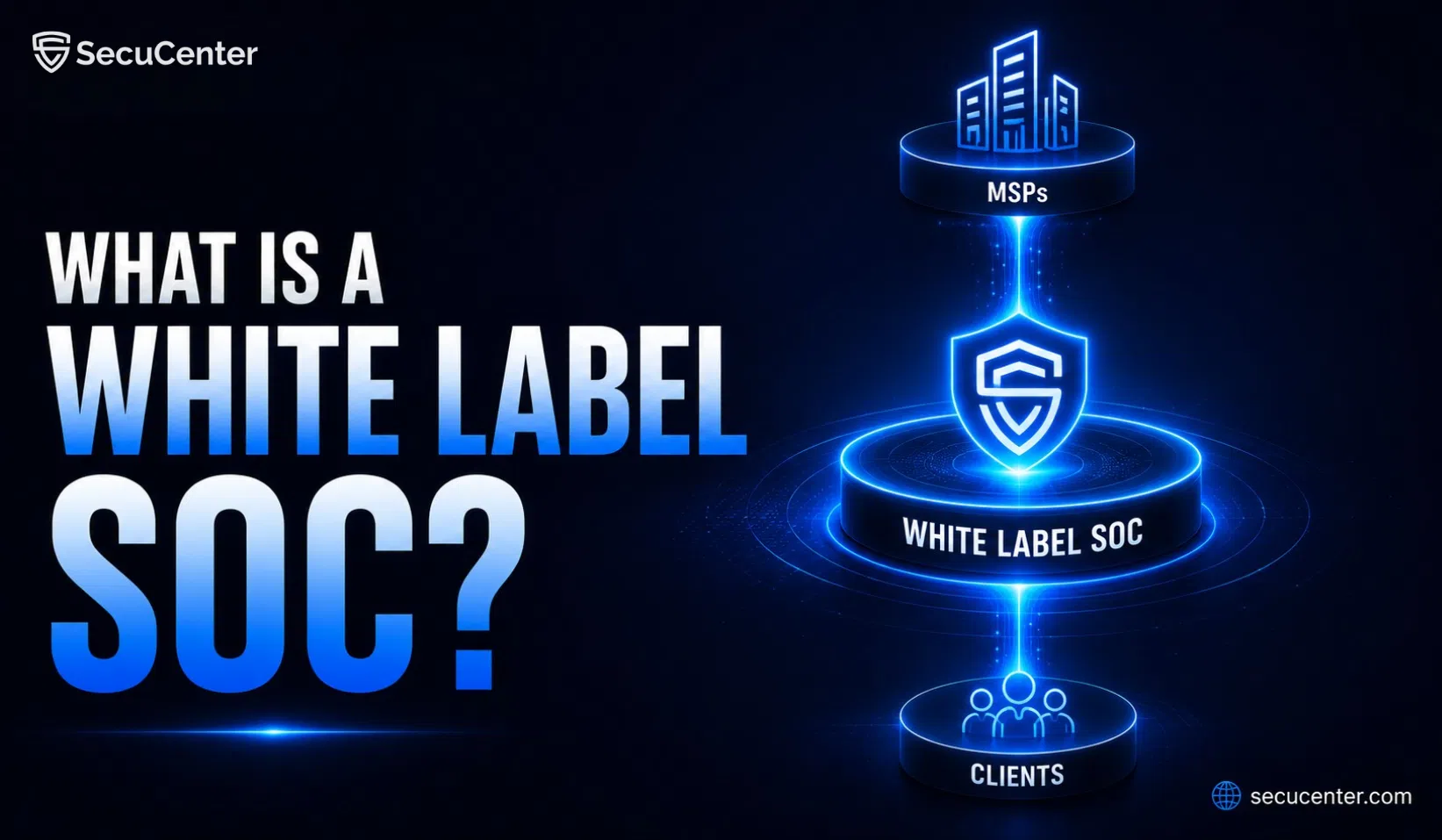
A White Label SOC (Security Operations Center) is a fully managed and operational cybersecurity infrastructure provided by a third-party vendor but branded and sold as the MSP’s own service. It allows MSPs to deliver 24/7 monitoring, threat detection, incident response, and SOC expertise without the need to invest in expensive technology, staffing, or infrastructure.

In simple terms, a White Label SOC enables MSPs to provide enterprise-grade cybersecurity defense capabilities without the heavy burden of building them from scratch. This partnership model combines the vendor’s technical excellence with the MSP’s client relationships, creating a win-win for both sides.

How a White Label SOC Works

A White Label SOC operates as an extension of the MSP’s business. Here’s how the process typically unfolds:

  1. Integration and Onboarding

The SOC provider integrates with the MSP’s existing systems, tools, and customer environments. This includes connecting security information and event management (SIEM) tools, endpoint detection and response (EDR) platforms, and threat intelligence feeds.

The onboarding phase ensures the SOC team has visibility across all assets and endpoints that require monitoring.

  1. 24/7 Monitoring and Detection

Once connected, the SOC analysts continuously monitor client environments for any signs of malicious activity. Using AI-driven analytics, behavioral monitoring, and automated threat detection tools, the SOC identifies potential threats in real time.

Alerts are filtered and prioritized based on severity to prevent alert fatigue, ensuring only actionable incidents reach the response stage.

  1. Incident Response and Remediation

When a security threat is detected, the White Label SOC team immediately investigates, validates, and responds to the incident. Depending on the MSP’s preference, the SOC can either take direct remediation actions or provide step-by-step guidance to the MSP’s team for resolution.

This ensures rapid response to minimize downtime and potential data breaches.

  1. Reporting and Continuous Improvement

The SOC generates comprehensive reports that detail threats detected, responses executed, and recommendations for improving the security posture. These reports can be branded with the MSP’s logo and identity, maintaining full client ownership.

Continuous improvement is driven through threat trend analysis, security posture assessments, and proactive threat hunting.

Also read: Top 10 Benefits of Partnering with a White Label SOC Provider

Why MSPs Need White Label SOC Services ?

In today’s cybersecurity landscape, MSPs face an uphill battle in keeping up with evolving threats, compliance requirements, and client expectations. Here are the top reasons why White Label SOC solutions have become indispensable for MSPs:

  1. Cost Efficiency

Building an in-house SOC can cost millions annually when factoring in infrastructure, software licenses, and skilled personnel. A White Label SOC eliminates these costs, allowing MSPs to deliver high-value services at a fraction of the investment.

  1. 24/7 Coverage

Cyber threats don’t sleep. White Label SOCs operate around the clock, providing continuous monitoring and response, ensuring that clients are protected even outside business hours.

  1. Access to Elite Cybersecurity Expertise

The global shortage of skilled cybersecurity professionals makes hiring and retaining talent a challenge. White Label SOC providers maintain a team of certified analysts, engineers, and incident responders, giving MSPs access to top-tier expertise on demand.

  1. Scalability and Flexibility

As MSPs grow, so does their client base. A White Label SOC offers scalable services, allowing MSPs to onboard new customers quickly without infrastructure or staffing bottlenecks.

  1. Brand Consistency

White Label SOCs are fully rebrandable, enabling MSPs to offer security services under their own name. This maintains customer trust and reinforces brand credibility while the backend operations remain outsourced.

Also read : The Cost to Build a 24/7 SOC vs. Having a White-Label SOC Support Partner

Key Components of a White Label Security Operations Center

A robust White Label SOC solution integrates several layers of advanced security tools and processes, including:

  • SIEM (Security Information and Event Management) – Centralized log management and real-time correlation of security data.
  • SOAR (Security Orchestration, Automation, and Response) – Automation of repetitive tasks for faster incident response.
  • Threat Intelligence Feeds – Real-time data on emerging global threats.
  • Endpoint Detection and Response (EDR) – Protection and monitoring of endpoints against sophisticated attacks.
  • Vulnerability Management – Continuous assessment to identify and patch weaknesses in systems.
  • Compliance Reporting – Helps MSPs ensure their clients meet regulatory standards such as GDPR, HIPAA, and ISO 27001.

The Benefits of Partnering with a White Label SOC Provider

Partnering with an established White Label SOC allows MSPs to focus on growth, sales, and client management while the SOC handles the technical backbone of cybersecurity.

Some of the standout benefits include:

  • Rapid Go-to-Market – Launch security services in weeks, not months.
  • Increased Profit Margins – Reduce capital expenditure while adding recurring revenue streams.
  • Improved Client Retention – Offer enterprise-grade protection that builds customer loyalty.
  • Enhanced Competitive Advantage – Differentiate your MSP business with 24/7 cybersecurity capabilities.

Choosing the Right White Label SOC Partner

Selecting the right SOC partner is critical to long-term success. MSPs should evaluate vendors based on the following criteria:

Proven Expertise – Look for SOCs with certified analysts (CISSP, CEH, CompTIA Security+).

Technology Stack – Ensure the provider uses leading platforms such as Splunk, SentinelOne, or CrowdStrike.

Transparent Reporting – Regular, branded reports that showcase the value delivered to clients.

Integration Capabilities – Seamless connection with existing MSP tools and workflows.

24/7 Support and Escalation – Global coverage and rapid response capabilities.

A trustworthy White Label SOC partner becomes an extension of the MSP’s brand, driving trust, efficiency, and long-term profitability.

Also read : The Benefits of White Label SOC Providers for MSSPs

White Label SOC: The Future of MSP Cybersecurity

As cyber threats grow in volume and sophistication, MSPs must adopt smarter and more scalable ways to secure their clients. White Label SOC solutions represent the future of managed cybersecurity — a model built on partnership, technology, and shared expertise.

By outsourcing SOC operations, MSPs can focus on what they do best: building relationships, delivering value, and growing their business — while their clients enjoy peace of mind with 24/7 security protection.

In conclusion, a White Label SOC empowers MSPs to deliver next-generation cybersecurity services without the cost, complexity, or risk of running an in-house operation. It’s not just a service—it’s a strategic growth enabler that helps MSPs scale faster, strengthen their brand, and stay ahead of evolving cyber threats.

Top SOC Tools in 2026 for Detecting and Mitigating Cyber Threats

With the ever-growing market of digitalization, the looming negativity of cyber threats is just as evolving. As per CrowdStrike, 2024 witnessed the fastest recorded eCrime at 2 minutes and 7 seconds. However, for businesses who wish to grow their service boundaries, being on the internet is vital. This is where you invest in SOC tools that proactively monitor, detect, and mitigate cyber threats. 

The Security Operations Center is a centralized unit that is assigned to monitor, detect, and deter cyber threats in real-time. It operates 24/7, using advanced SOC tools like SIEM, threat intelligence, and automation to protect an organization’s systems, data, and networks. For business continuity, a SOC team ensures the prevention of cyberattacks and minimizes damage. 

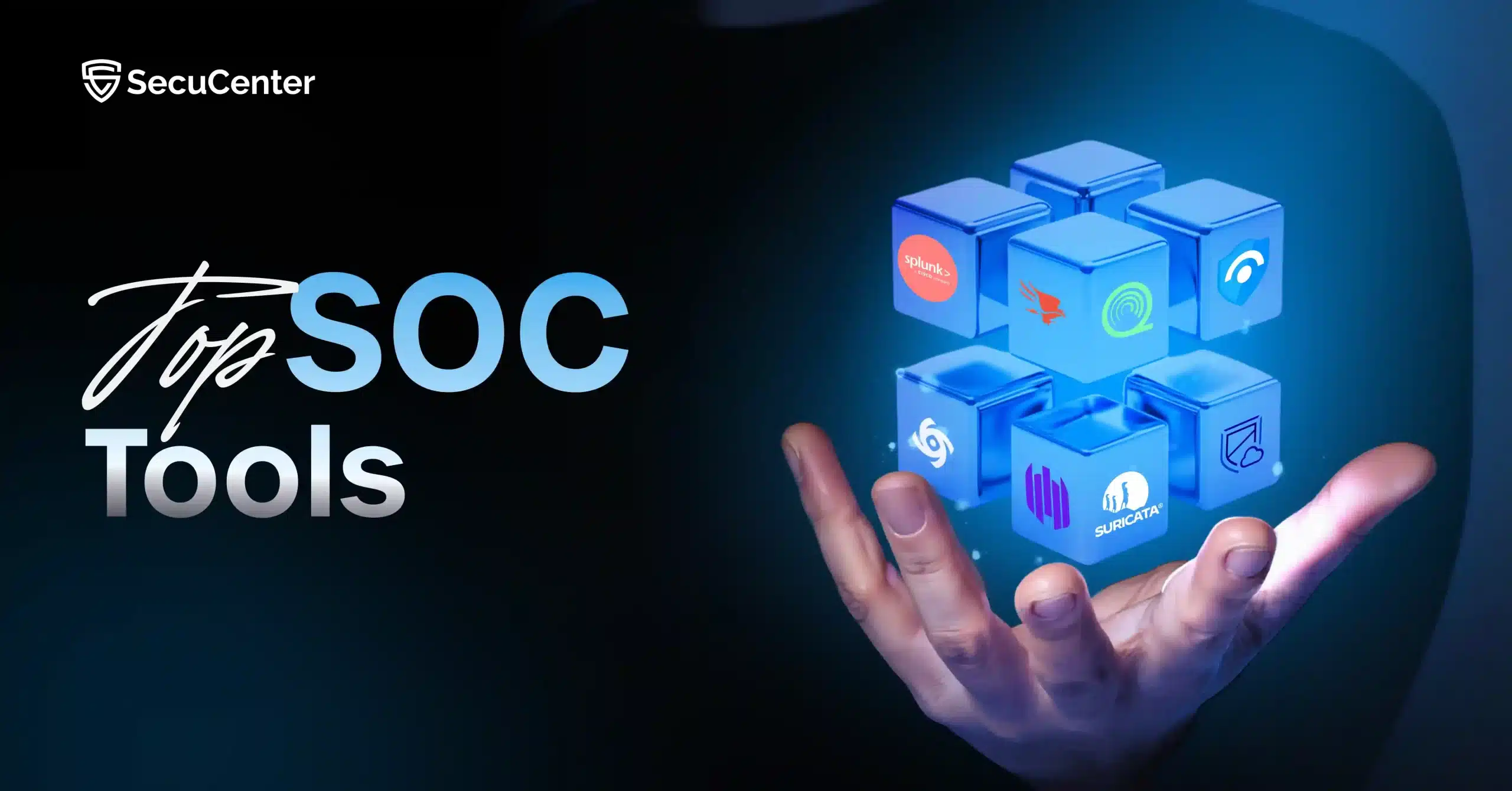
Popular SOC Tools To Know About 

SOC tools are mainly divided into two purposes: monitoring and staffing. Thus, we divide the two and dwell on the tools each of these uses.  

a) SOC Monitoring 

SOC monitoring is utilized by organizations to oversee their networks, systems, and servers proactively to ensure threats are detected at their earliest and diffuse its approach immediately. The tools MSSPs use for SOC monitoring are as follows. 

1. SIEM( Security Information and Event Management) Tools 

SIEM tools are used to collect and analyze data from multiple sources to identify threat patterns. They collect sources from firewalls, servers, and applications for a clear vision of the threat and provide valuable insights for SOC analysts to work with. SIEM also generates alerts when anomalies are detected, giving the SOC team the urgency to respond to them quickly.  

Below is a list of organizations that offer SIEM tools, along with the features that set each one apart. 

SIEM Tools Features 
Splunk Their SIEM tool is capable of ingesting data from several sources to identify threats better. 

Analyzes the data from the sources pulled to detect anomalies, vulnerabilities, and security technologies. 

Splunk SIEM can generate effective alerts from predefined rules and data collected for the SOC analysts to work with. 

They create dashboards that comprehensively list trends through graphs and charts. 
IBM QRadar It excels at detecting a wide range of security threats by correlating events from diverse sources. 

Can collect, analyze, and process large volumes of data from different sources at once to derive a concrete solution for the SOC team to work with. 

Monitors networks and makes alerts on security threats that weren’t notified on the log data. 

Prioritizes alerts that are critical and helps the security team to focus on what needs their attention. 
Microsoft Sentinel Utilizes advanced analytics and machine learning to identify threats and anomalies that might otherwise remain undetected. 

Scalability through cloud networks is easily possible as Sentinel is cloud-native and can handle massive amounts of data through the cloud and provide accurate security.

 Includes SOAR capabilities that enable automated responses to security incidents. 
ArcSight Has a powerful correlation engine. It means that Arcsight can analyze data in a high volume and detect threat problems that may have been missed under the radar.

 Provides comprehensive log management that ensures the data is collected and processed appropriately for analysis and mitigation of threats. 

SmartConnectors are essential components that enable the collection and normalization of data from various sources.

These connectors streamline the integration of multiple security devices and applications into the SIEM platform.

 Allows the integration of threat intelligence feeds that keep the team updated on the latest threats and solutions to effectively detect them. 

2. EDR Tools (End-Point Detection Response) 

EDR tools are focused on monitoring the endpoints of the system such as computers, servers, and mobile devices. These are helpful in indicating the pathways through which threats can enter end devices and mitigate them at its earliest.

Their solutions use behavioral analysis and machine learning to understand the pattern of threats that traditional antivirus tend to miss.  

Here is a list of organizations that provide EDR tools, highlighting the unique features of each one. 

EDR Tools Features 
CrowdStrike Falcon Focuses on detecting malicious behavior as it is rather than a signature-based detection. Due to this, identifying threats such as zero-day exploits can be blocked immediately. 

Its cloud-native architecture allows MSSPs to deploy and manage endpoint security across a large number of devices. 

Gives real-time visibility into endpoint activities, enabling security teams to promptly identify and investigate potential threats.

 Includes automated response that enables the security team to diffuse a threat and minimize its impact immediately. 
SentinelOne Utilizes behavioral AI to detect and prevent threats, including zero-day exploits and ransomware, without depending solely on signatures.  

Offers comprehensive insight into endpoint activities, enabling security teams to grasp the complete context of an attack. 

Provides a visual representation of attack chains, helping security analysts understand the progression of an attack and identify its root cause. 
Carbon Black Provides continuous endpoint visibility wherein activities like processes, file modifications, network connections, and registry changes are monitored 24/7.

 It offers a live response feature that lets security analysts remotely investigate and remediate threats on affected endpoints.

 It connects with threat intelligence feeds, delivering current information on known threats and attack methods. 
Microsoft Defender For Endpoint It delivers a clear picture of an organization’s security health, enabling it to minimize potential entry points for attackers. 

Offers ASR capabilities that aim at minimizing the areas attackers commonly target.

This is particularly helpful because vulnerable documents and business data can be protected effortlessly with minimal security concerns. 

AIR streamlines security workflows by automating alert handling, leading to less manual work and quicker incident resolution. 

3. IDS/IPS( Intrusion Detection System/ Intrusion Prevention System) Tool 

IDS and IPS are used to monitor the network traffic for suspicious activities and attacks. While there are numerous entries and exits throughout a network, IDS/IPS never fail to identify threat patterns.

IDS is equipped to passively detect and alert potential threats while IPS actively blocks malicious activities. These systems are crucial for identifying and deterring unauthorized access attempts, brute-force attacks, and malware infections for business continuity. 

Here is a list of organizations that provide IDS/IPS SOC tools, along with the key features that make each one unique. 

IDS/IPS Tools Features 
Snort Monitors network traffic in real-time to analyze packets that flow through for detection of anomalies.

 Utilizes a rule-based system, which means threats are apprehended based on the rulebook of signatures.

 Rules can be customizable and flexible to the users’ needs.

This allows for custom detection of threats and adaptation to the evolving cyber landscape. 
Suricata Introduced to handle high-volume traffic through multiple sources.

This agile tool utilizes the processing of multi-core CPUs to power its multi-thread architecture, enabling suitable defense in different environments. 

It can automatically detect threats across a wide range of network protocols.

This induces an effective position to expose hidden anomalies within various network traffic types. 

It uses signature-based detection and behavioral-based analysis to understand the threat pattern.

This can also be customized to the users’ requirements for security protection.  

b) SOC Staffing 

SOC staffing is essential for MSPs and MSSPs as the growing cybersecurity needs can keep their in-house team occupied more than their capabilities. In such cases, turning to outsourcing professional SOC staff can be an effective way to compensate for the skill gap yet address cyber issues of organizations swiftly. 

Once MSSPs can get their team together, they’ll train on the SOC tools they employ to aid their clients and ensure they are ready to attend. Most of the tools that they use are mentioned above. However, a few tools used to aid SOC staff and measure their performance are listed below. 

Also Read: Top SOC Trends in 2026

Threat Intelligence and Knowledge Management Tools 

Threat intelligence platforms are often used by SOC analysts to proactively collect, analyze, and share security information within the organization to stay ahead of cyber threats. Tools that facilitate this process are: 

  • Anomali ThreatStream: This tool aggregates anomalies and threats from multiple sources transforming them into actionable insights for SOC analysts to work with. 
  • Recorded Future: Built to identify threats early, prioritize risks efficiently, and tackle key concerns proactively. This solution helps organizations prevent threat actors before they can attack. 
  • MITRE ATT&CK Navigator: This is a free, web-based framework that helps SOC analysts understand adversary tactics, techniques, and purposes. It is a key asset for MSSPs to provide proactive cyber solutions. 

Training and Simulation Platforms 

Cyber threats are growing uniquely and are smarter than ever. SOC analysts are responsible for mitigating it promptly.

Through training and simulation sessions, analysts know what’s new in the cyber world, adopt methods to mitigate them, and stay constantly updated. Programs that offer simulation experience to SOC analysts are:  

  • Immersive Labs: Provides gamified challenges to SOC analysts for an immersive experience and learn from the tasks. 
  • RangeForce: Offers interactive cybersecurity training sessions with modules and examples for SOC professionals to be aware of. 
  • Cyberbit Range: A training platform made to train professionals through real life threat simulations and educate them on the ways to tackle them. 

Also Read: Top SOC Challenges in 2026

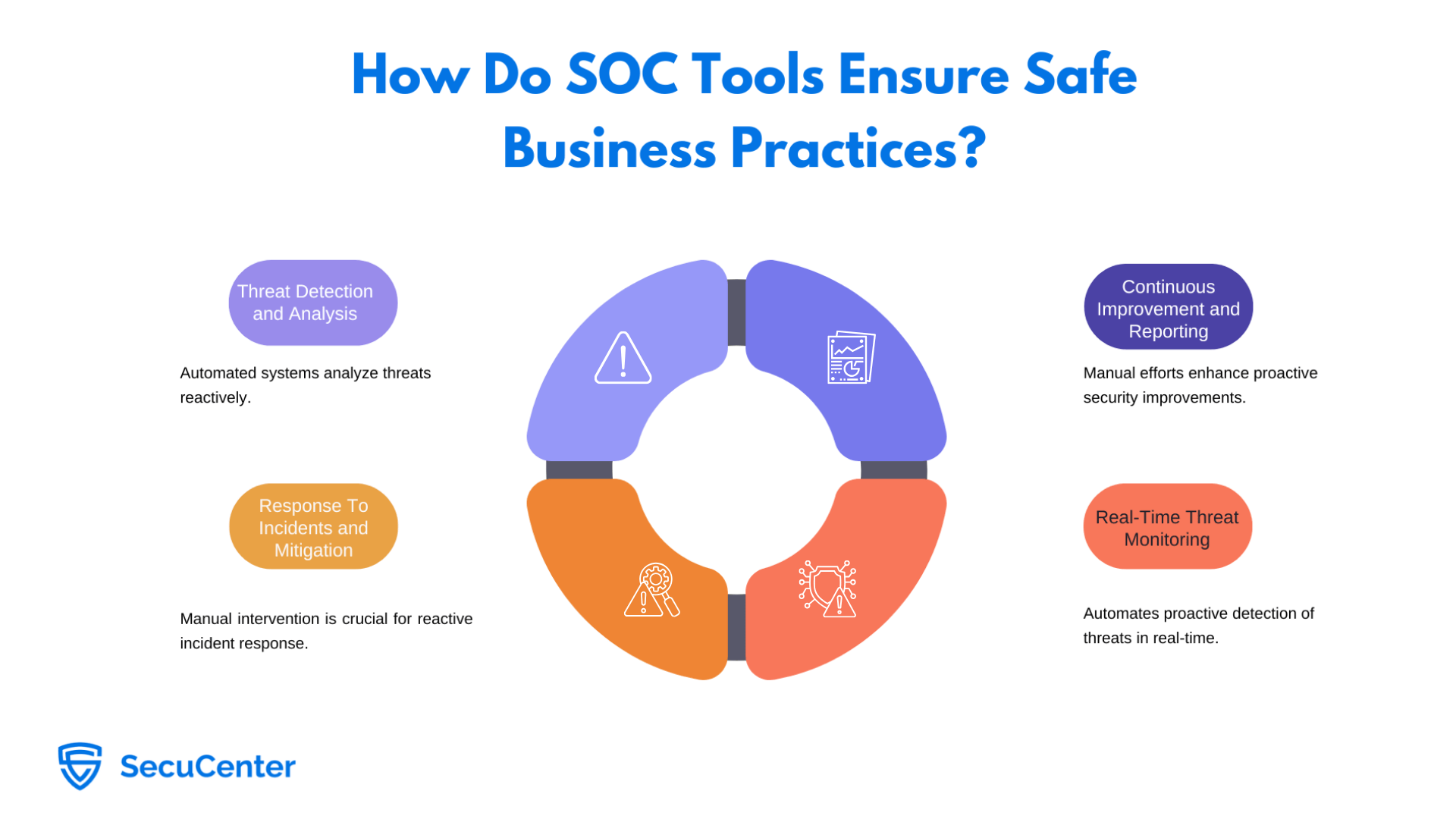
How Do SOC Tools Ensure Safe Business Practices? 

As much as SOC expertise is important in maintaining and managing the cyber barriers of a business, SOC tools ensure secure business practices more effectively and simultaneously with manual labor. But, that’s not it, let’s venture more about how SOC tools build the wall of safety for businesses. 

  1. Real-Time Threat Monitoring  

SIEM tools are put in place to detect anomalies in real time and address their purpose. End-point Detection from various sources provides aggregate logs of those who enter the network and trace malicious activities if unusual patterns are detected.  

  1. Threat Detection and Analysis  

Introducing AI to the industry, many AI-driven threat detection tools have emerged that actively and effectively crawl through networks, systems, and servers to detect threats.IDS assists MSPs and MSSPs in helping businesses detect and eliminate unauthorized intrusions promptly. 

  1. Response To Incidents and Mitigation 

Incident response and mitigation tools in SOC are responsible for managing and maintaining cyber security. Once, they detect an unusual anomaly, automated responses are deployed to minimize their presence and further movement into the system. Tools like SOAR streamline the investigation and mitigation of threats effectively. 

  1. Continuous Improvement and Reporting 

Automation tools are used to find trends in past attacks to forecast areas that need improvement and make efforts to nullify them. With their comprehensive interface, MSPs and MSSPs can report their progress to businesses promptly. 

Secucenter Offers Trend-Foward Cyber Solutions 

Recently, the development of new SOC tools are seen to be AI-driven and aimed at easing routine manual tasks, cancel out false alerts and identify the complex natures of new cyber threats. WIth such developments, placing an antivirus and crossing fingers it protects organizations’ privacy is only the tip of the iceberg. At Secucenter, we believe having a team of professional SOC experts to oversee your clients’ security barriers is highly effective. 

For this purpose, we introduce you to our dedicated services for SOC monitoring and SOC staffing. Our team of highly trained specialists is proficient in the leading SOC tools, ensuring seamless integration and cost-effective security solutions tailored to your needs.  

The Cost to Build a 24/7 SOC vs. Having a White-Label SOC Support Partner

In the ever-evolving landscape of cybersecurity, organizations face a pressing need to protect their digital assets from an array of threats. A 24/7 Security Operations Center (SOC) is a critical component in maintaining robust cybersecurity, but it can be costly to establish and run in-house. Alternatively, many organizations opt for white-label SOC support partners to meet their cybersecurity needs. In this article, we will compare the costs and benefits of building a 24/7 SOC versus partnering with a white-label SOC provider.

 Building a 24/7 In-House SOC

a) Infrastructure Costs

Establishing an in-house SOC requires significant investments in infrastructure, including hardware, software, and network resources. The initial capital expenditure can be substantial, especially for smaller organizations.

b) Staffing and Expertise

Hiring and retaining a skilled cybersecurity team is a critical element of a successful SOC. This involves recruiting cybersecurity professionals, providing training, and offering competitive salaries to retain talent. The ongoing costs of salaries, benefits, and training can quickly add up.

c) Training and Certifications

Cybersecurity is a constantly evolving field, necessitating continuous training and certifications for SOC staff. These costs can be ongoing and significant, with a need to keep the team up to date on the latest threats and mitigation techniques.

d) Security Tools and Software

A comprehensive SOC requires a suite of specialized security tools and software, which often involves licensing fees, maintenance costs, and updates. This can represent a substantial portion of the budget.

e) Facilities and Operational Costs

Maintaining a 24/7 SOC facility demands a secure environment with redundant power supplies, cooling systems, and other infrastructure to ensure uninterrupted operation. Ongoing operational costs include electricity, internet connectivity, and physical security measures.

f) Compliance and Legal Costs

Meeting various industry and geographical compliance standards can be costly, including legal consultations and audits to ensure regulatory adherence.

g) Incident Response and Recovery

In the event of a security incident, an in-house SOC must have the resources to respond swiftly and effectively. Costs may include incident investigation, forensics, containment, and recovery efforts.

h) Monitoring and Threat Intelligence Services

Monitoring and threat intelligence services may require outsourcing or the development of in-house capabilities. The former typically involves ongoing expenses, while the latter requires substantial investment.

White-Label SOC Support Partner

a) Cost Savings

Opting for a white-label SOC support partner often leads to cost savings, as the partner bears the infrastructure, staffing, and tool-related expenses. Organizations pay for services rendered, making it a more flexible and predictable financial arrangement.   

b) Access to Expertise

White-label SOC providers are specialized cybersecurity firms staffed with experienced professionals. Partnering with them grants access to a deep pool of expertise in the field, which may be cost-prohibitive to develop in-house.

c) Scalability

White-label SOC support partners can scale their services to match your organization’s needs. This flexibility allows for tailored solutions as your security requirements change over time.

d) 24/7 Monitoring

White-label SOC providers offer around-the-clock monitoring, ensuring that security incidents are detected and addressed promptly, which can be a challenge to achieve with an in-house team.

e) Regulatory Compliance

Many white-label SOC providers specialize in compliance and can help organizations meet regulatory requirements cost-effectively, reducing legal and audit expenses.

The choice between building a 24/7 SOC and partnering with a white-label SOC support provider ultimately depends on an organization’s specific needs, size, and financial resources. While building an in-house SOC offers more control, it often comes with significantly higher upfront and ongoing costs. White-label SOC support partners can provide cost-effective, expert solutions that cater to an organization’s unique security requirements while allowing them to focus on their core business objectives. When evaluating the options, it is essential to consider the cost-benefit analysis and the organization’s risk tolerance to make an informed decision that aligns with its cybersecurity strategy.

Protect Your Business Today To Scale Tomorrow

Most breaches begin with a gap no one was watching. Tell us what you're protecting and our SOC analysts will pressure-test your defenses and show you exactly where you stand.

Email

sales@secucenter.com

Phone

+1 800 555 0100

Sales Office - United States

651, N Broad St, Middletown
Delaware-19709

Operations Center- India

Level 17, TransAsia Cyber Park
Kochi, Kerala-682030

Data privacy notice. All submissions are protected via TLS 1.3 encryption in transit and processed within our secure, air-gapped data environment. We never resell your data.